
Get a Free Technical Evaluation
We will provide you with the best solution according to your needs.
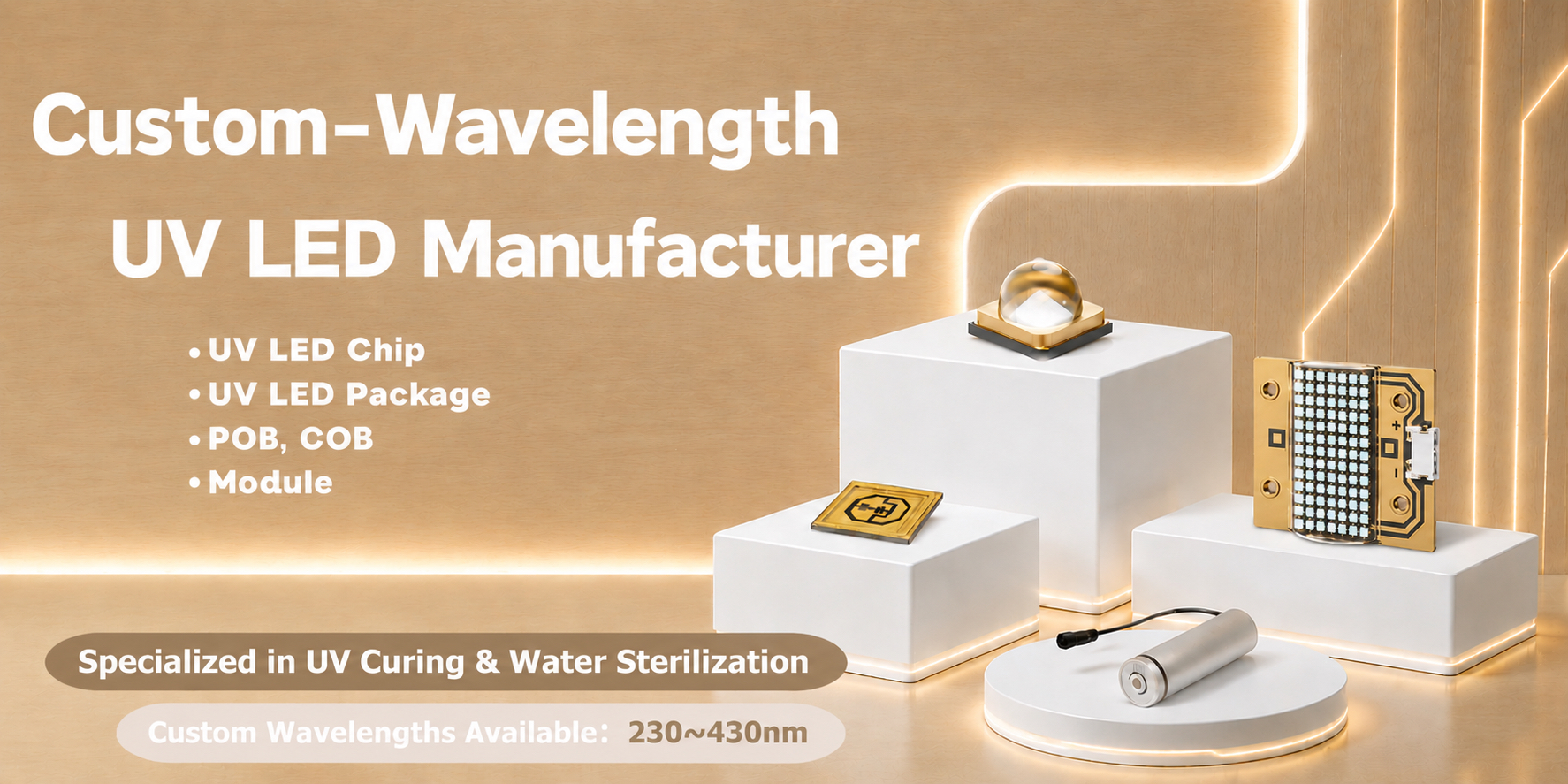
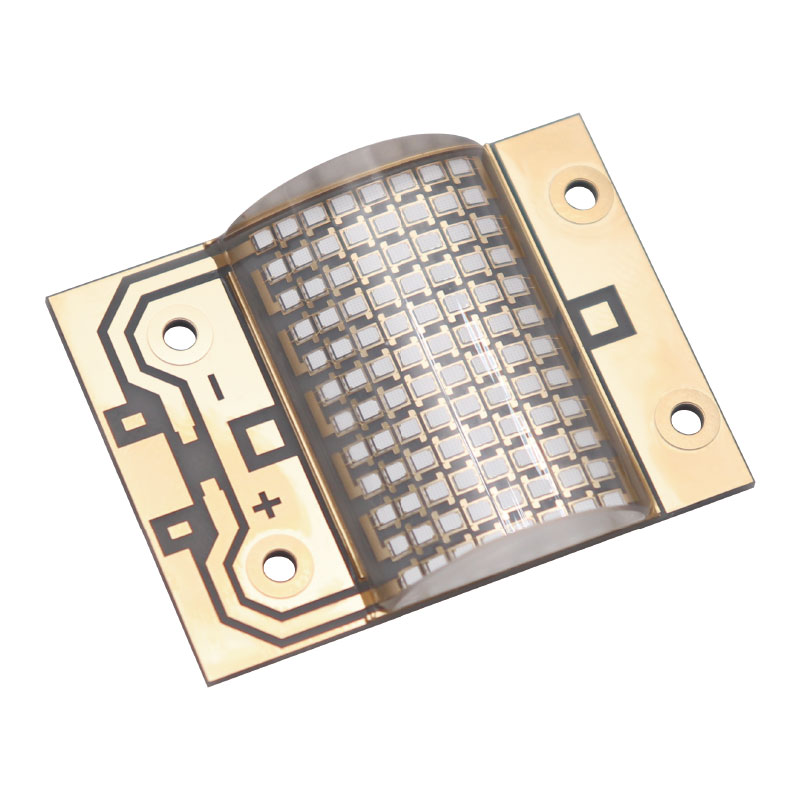
Custom UV LED
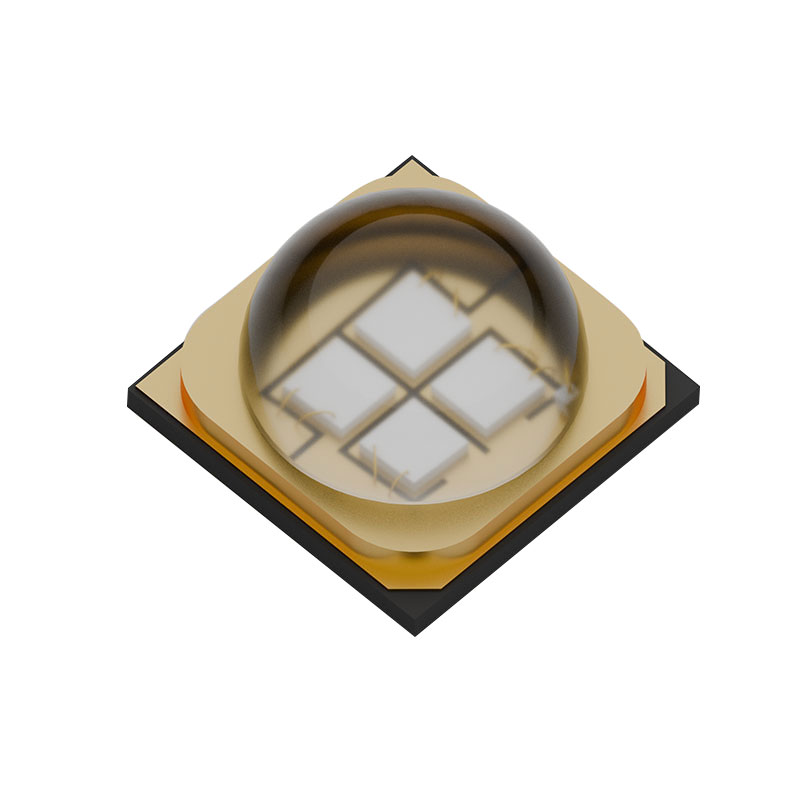
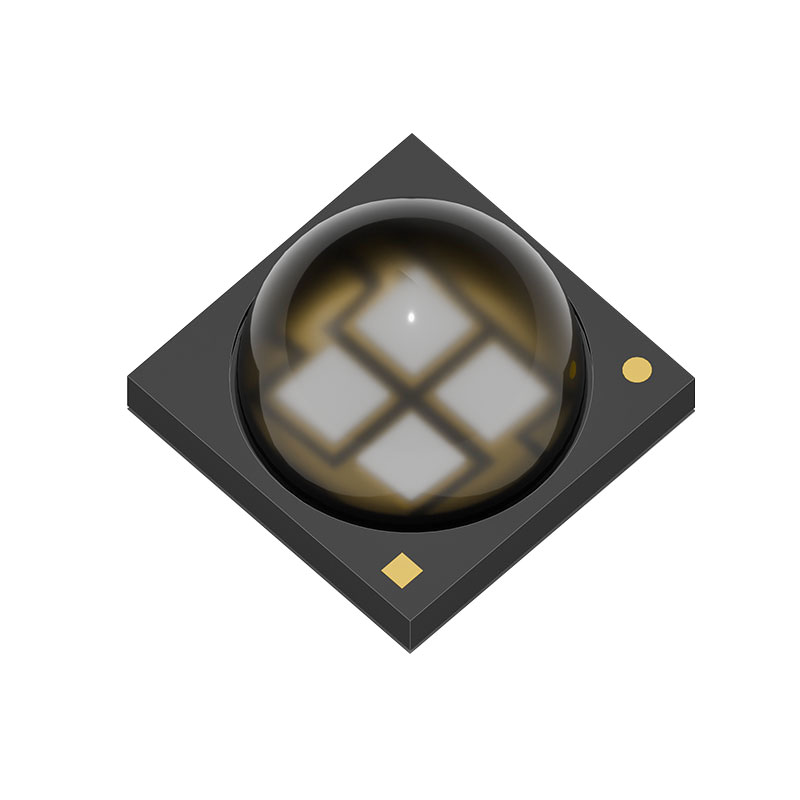
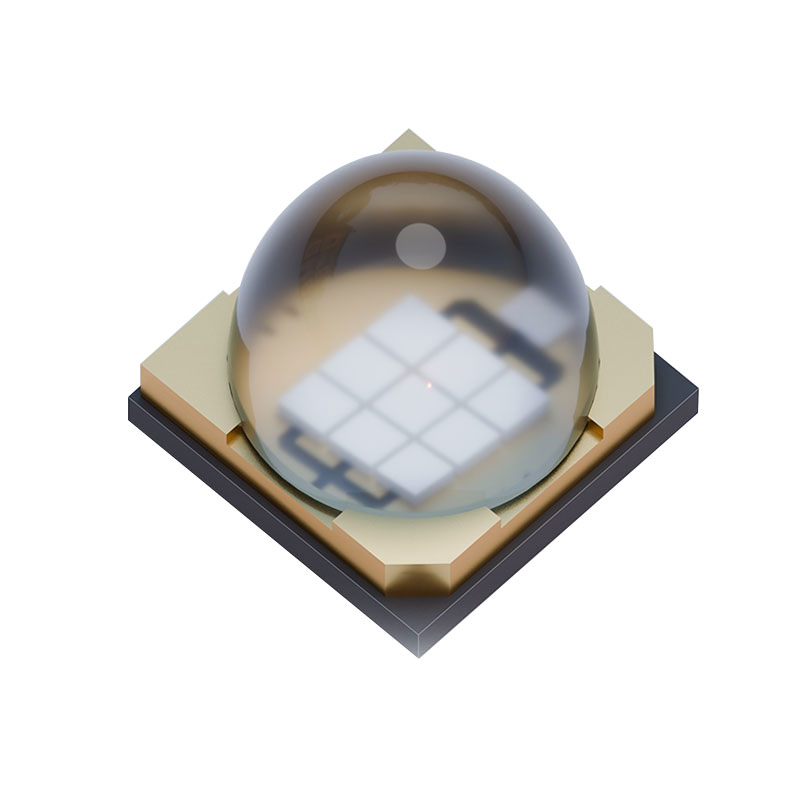
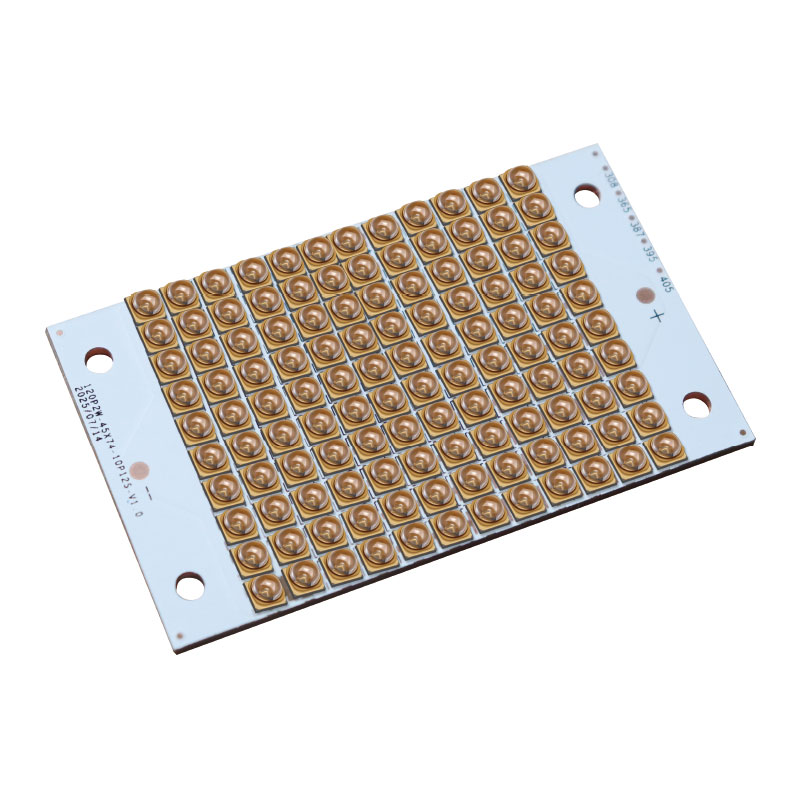
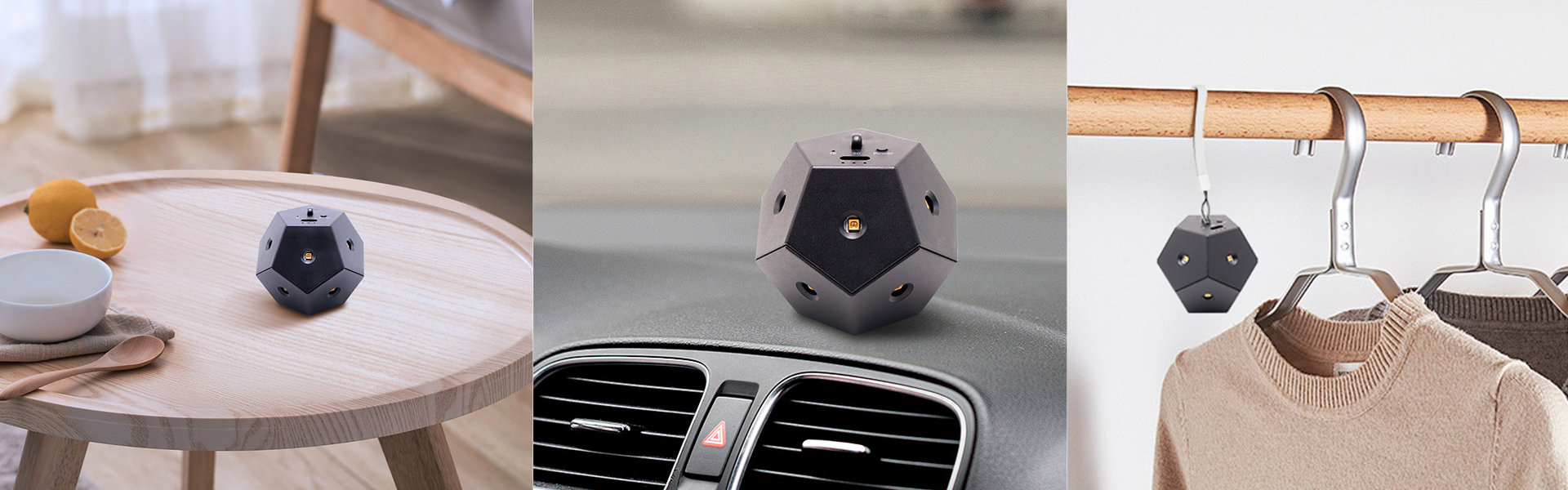
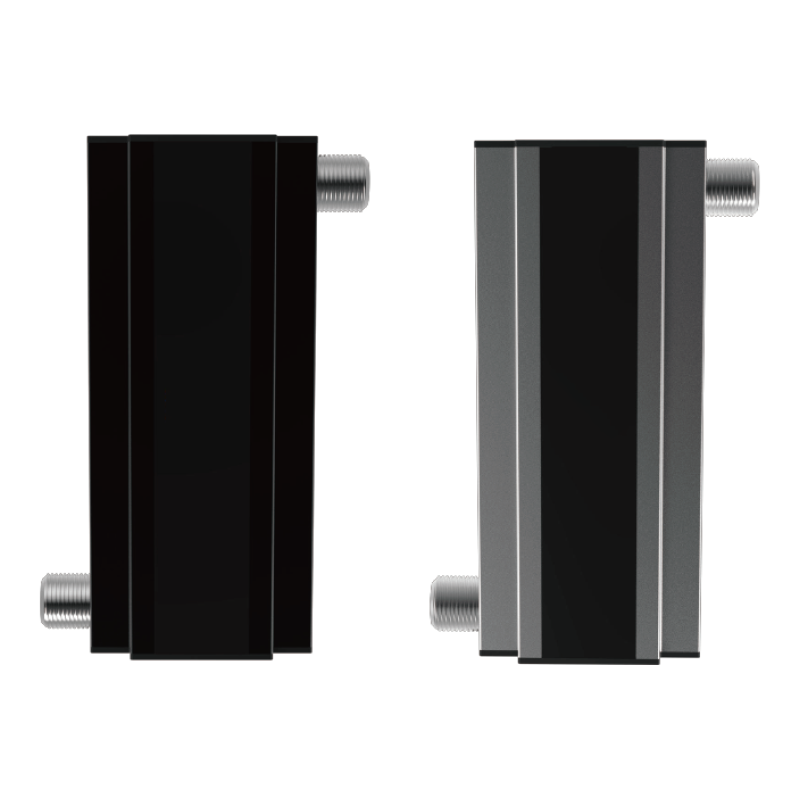
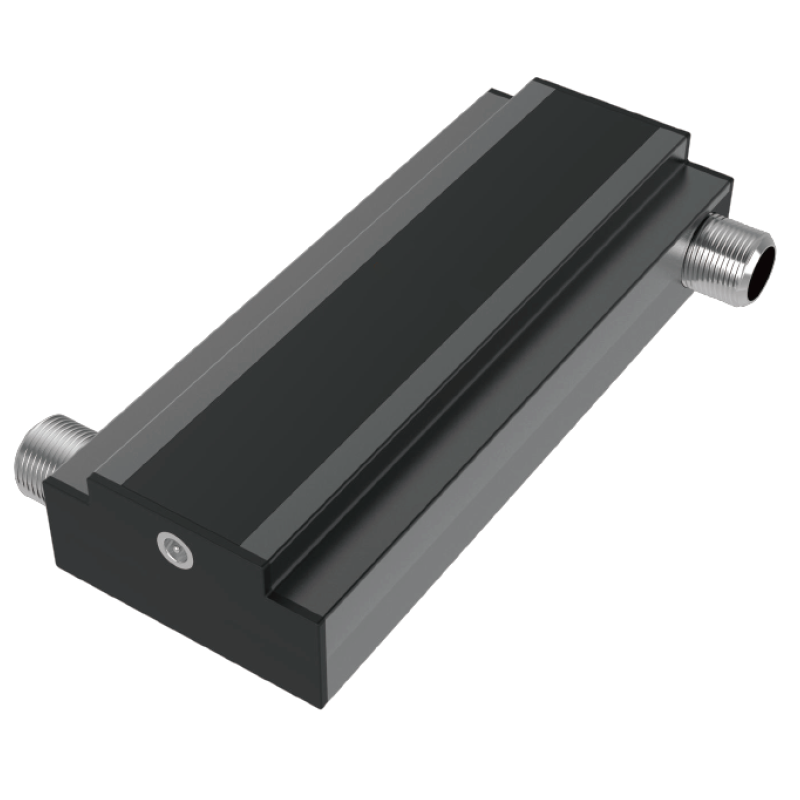
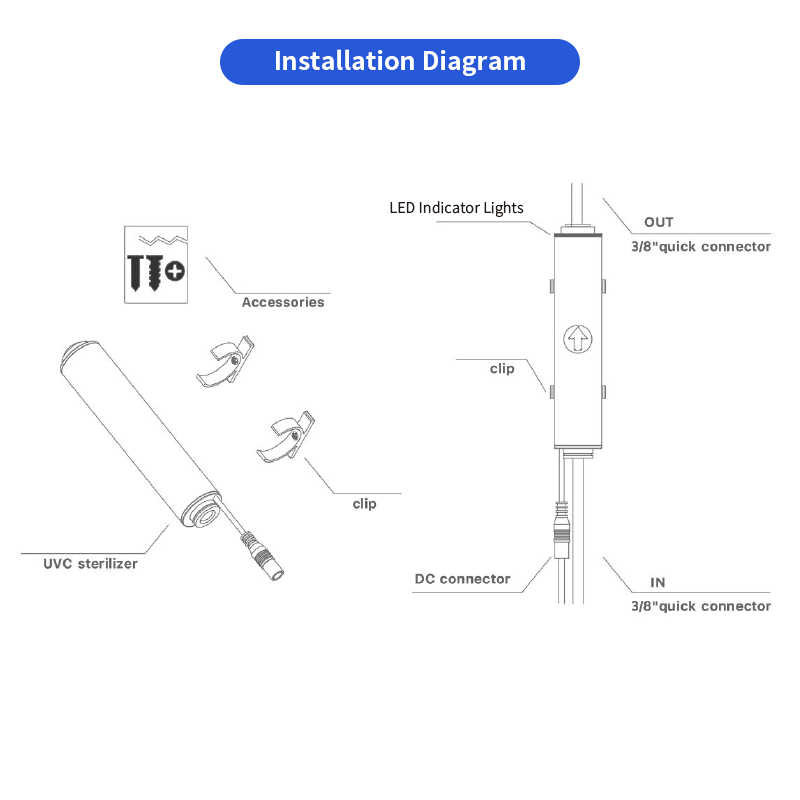
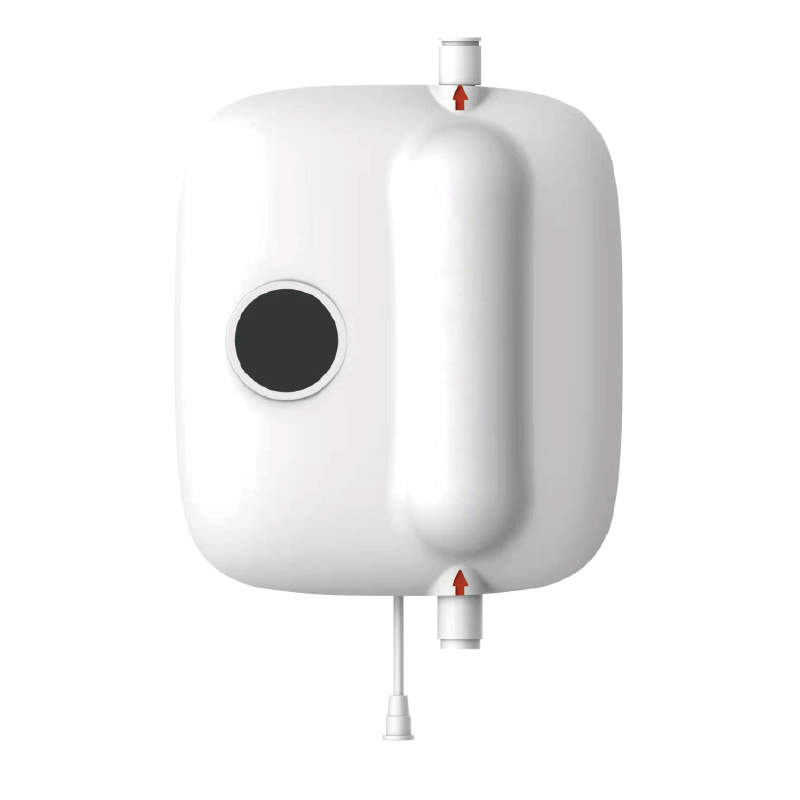
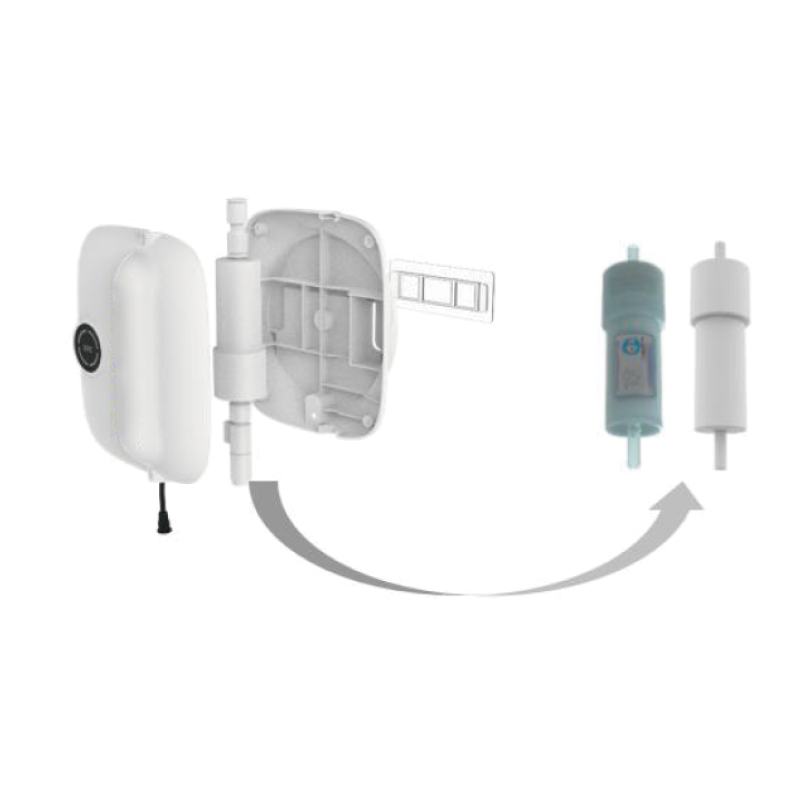
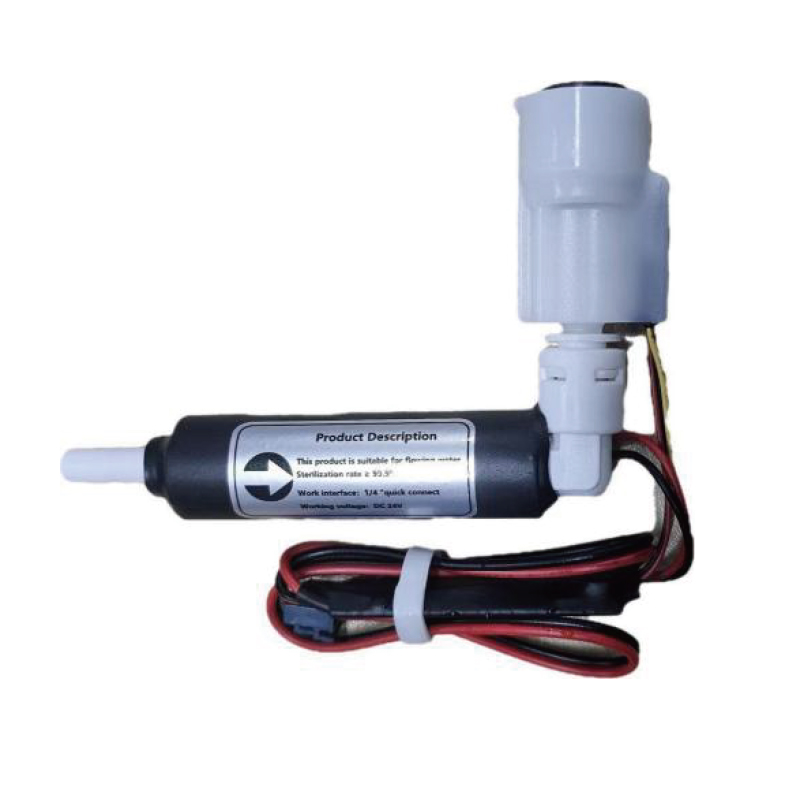
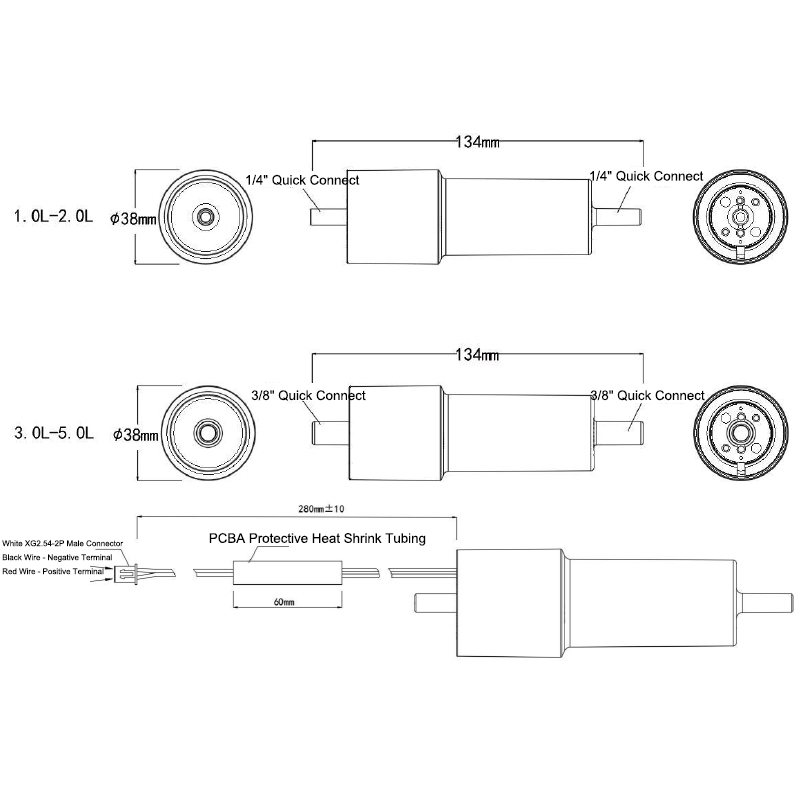
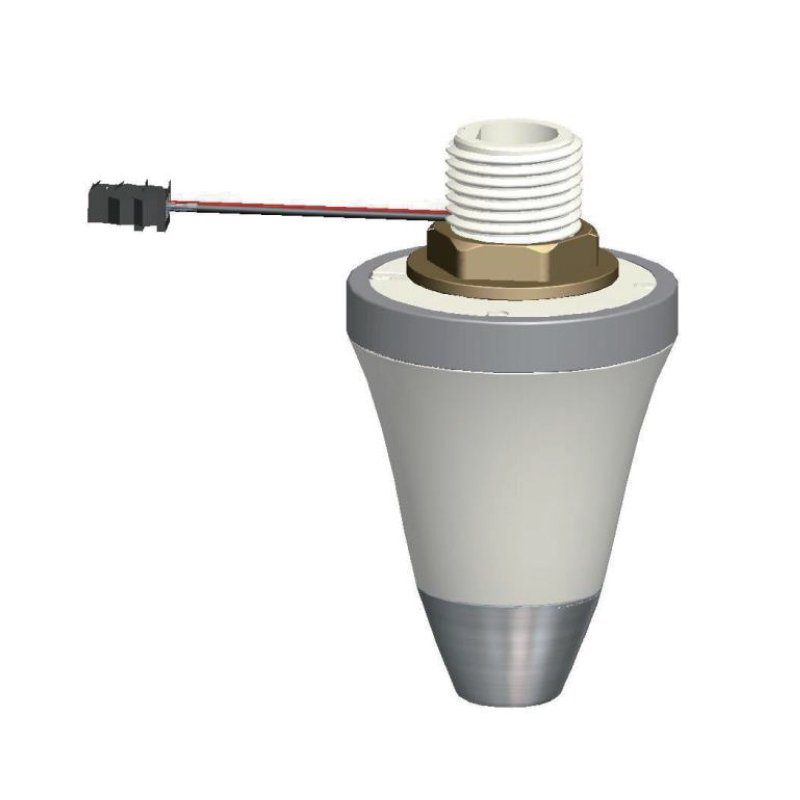
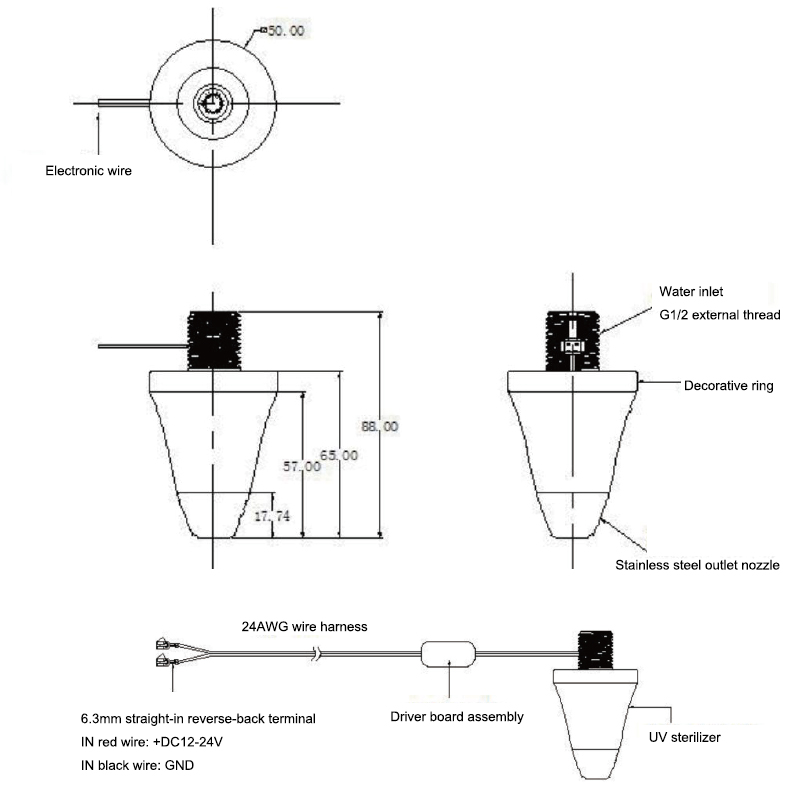
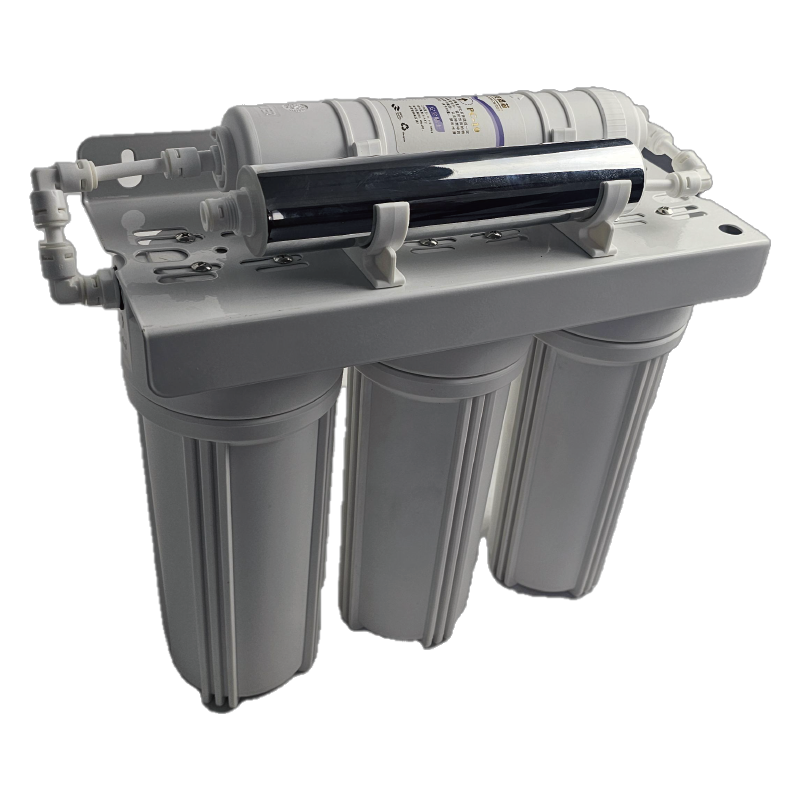
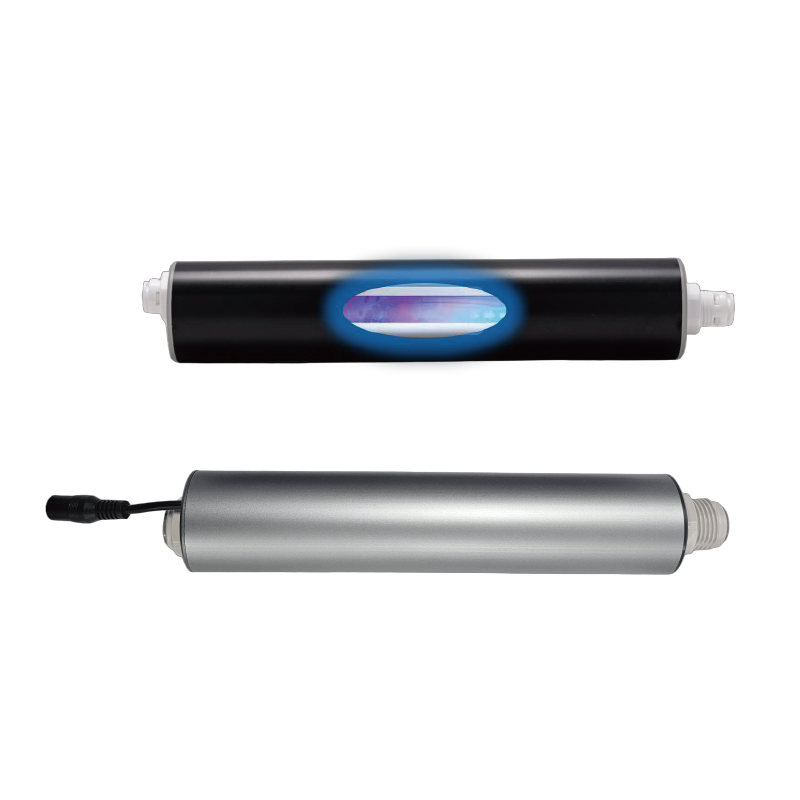
UV LED Water Sterilizer
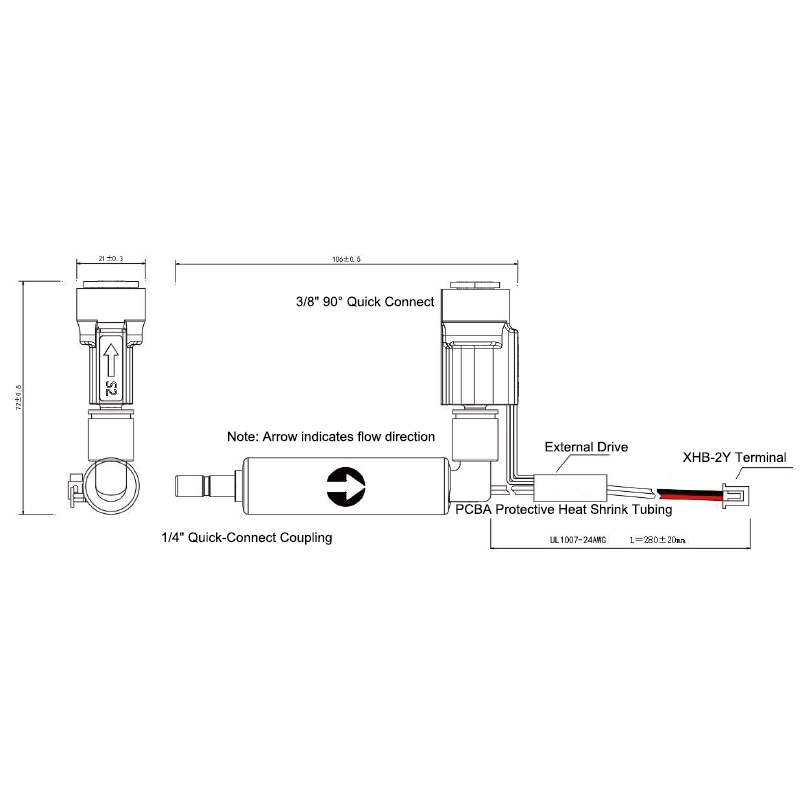
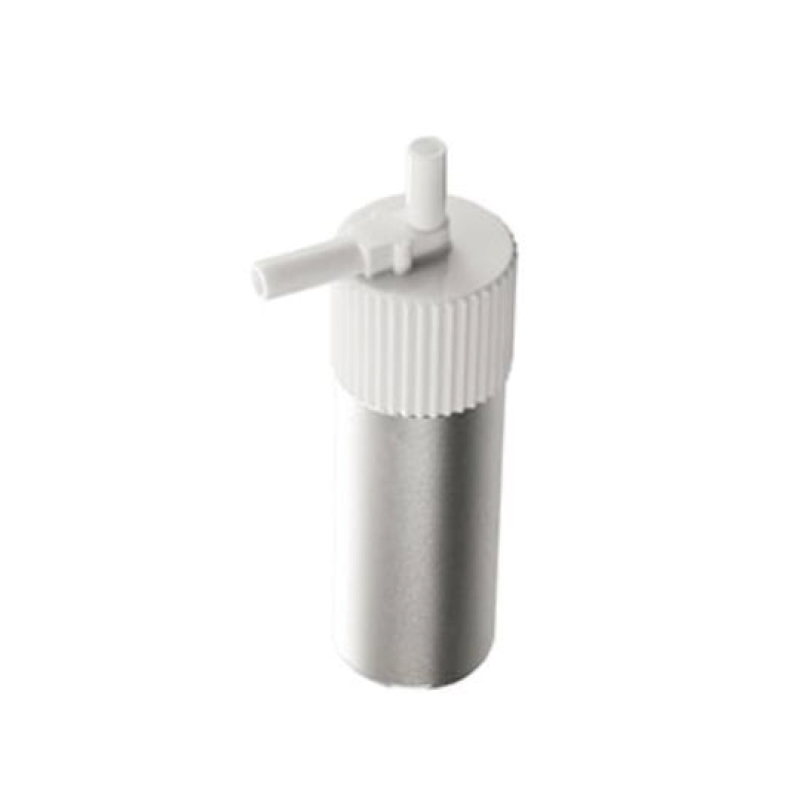
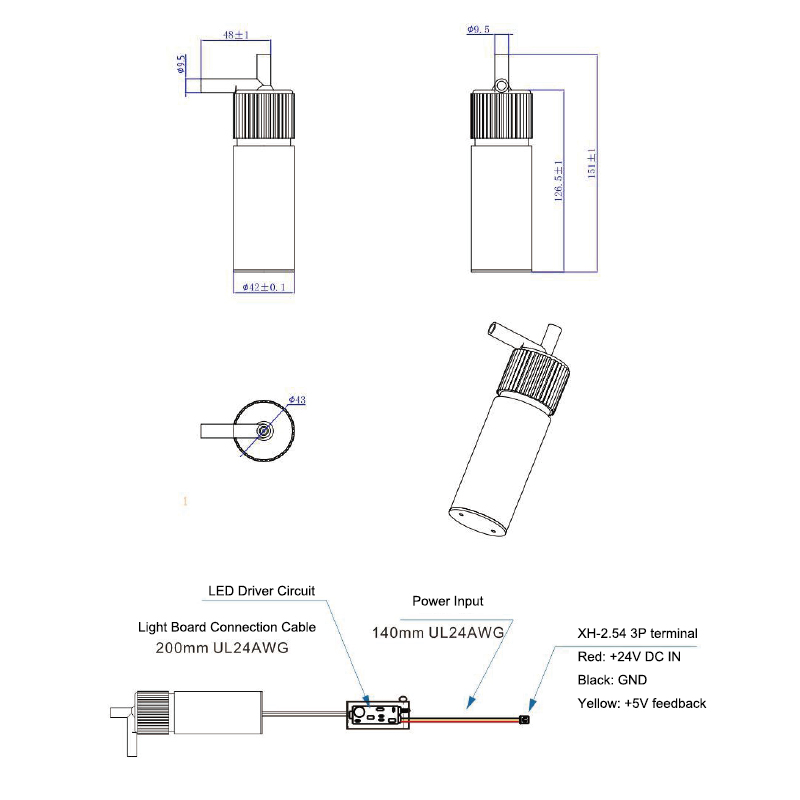
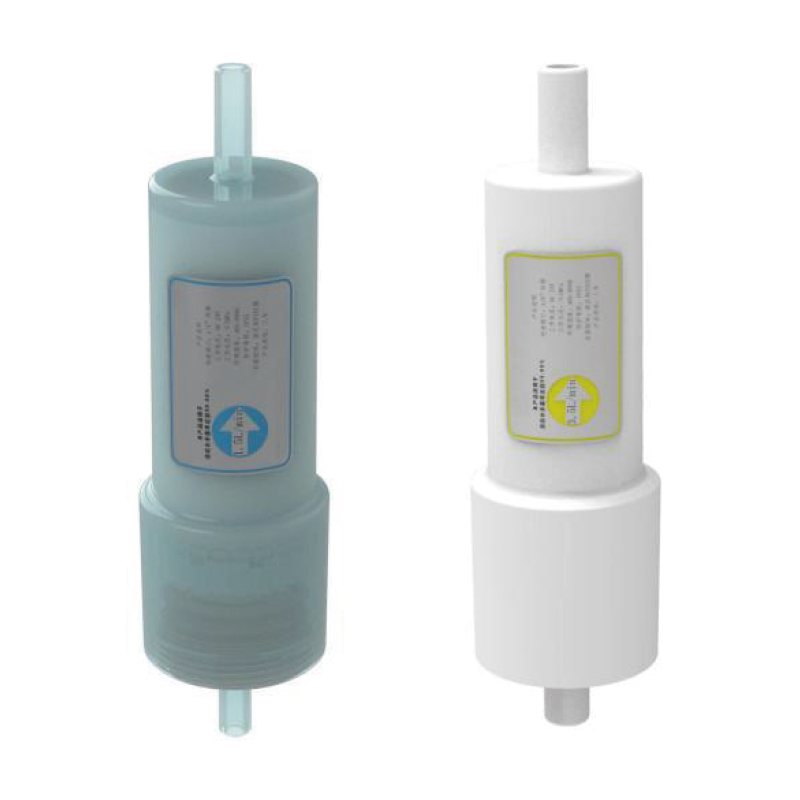
Get LEDINTRO Company Information
View Shenzhen LED INTRO Technology Co., Ltd.'s UV LED modular components and integrated solutions
Water Treatment
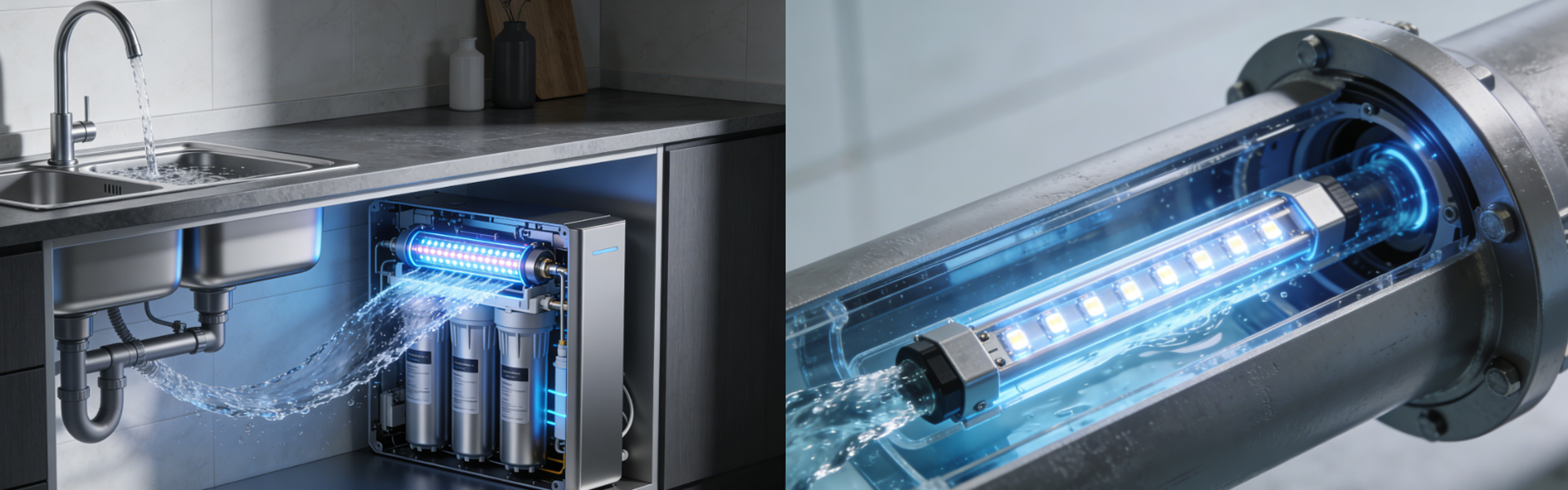
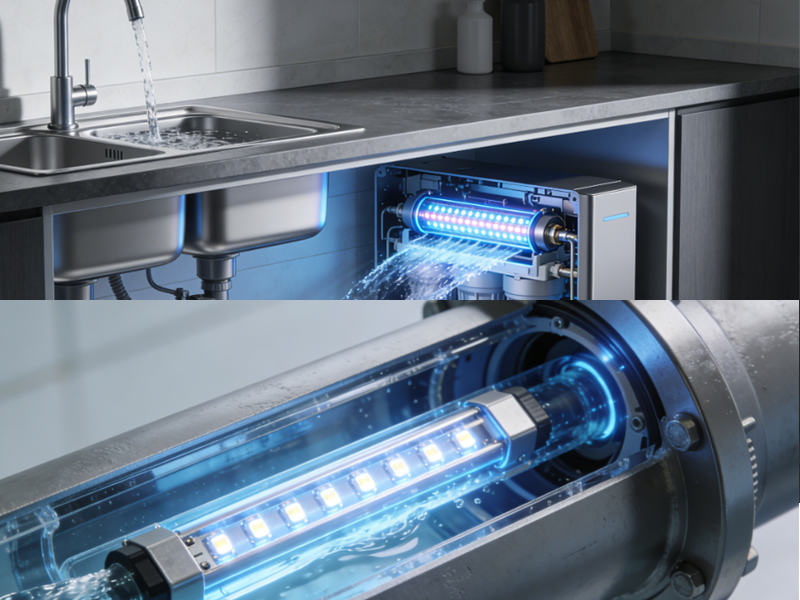
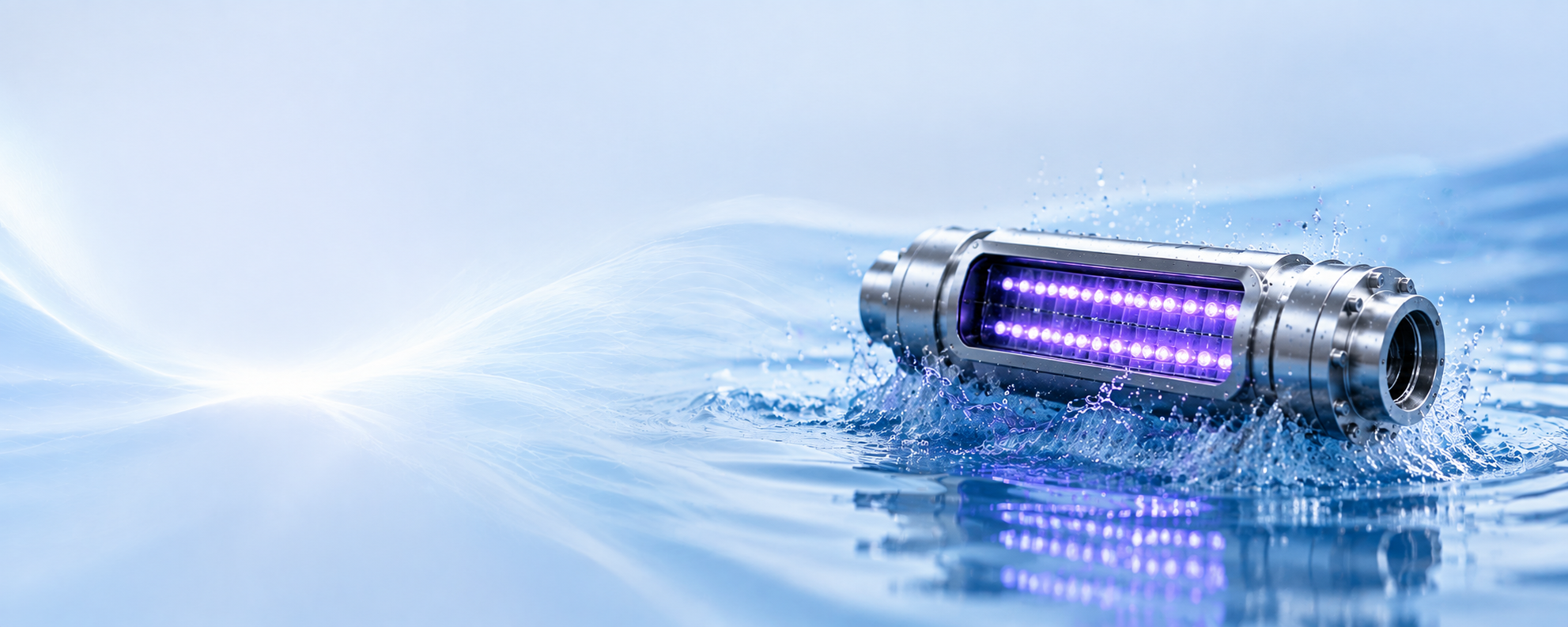
We've launched our first large-format UV-C LED water disinfection product. Learn how the Clean™ series incorporates cutting-edge LED technology into a uniquely compact design.
Air Treatment
UV-C LED technology has been proven to disinfect, reduce, and even eliminate harmful pathogens in the air. Learn more about our UV disinfection systems for air treatment.
Surface Treatment
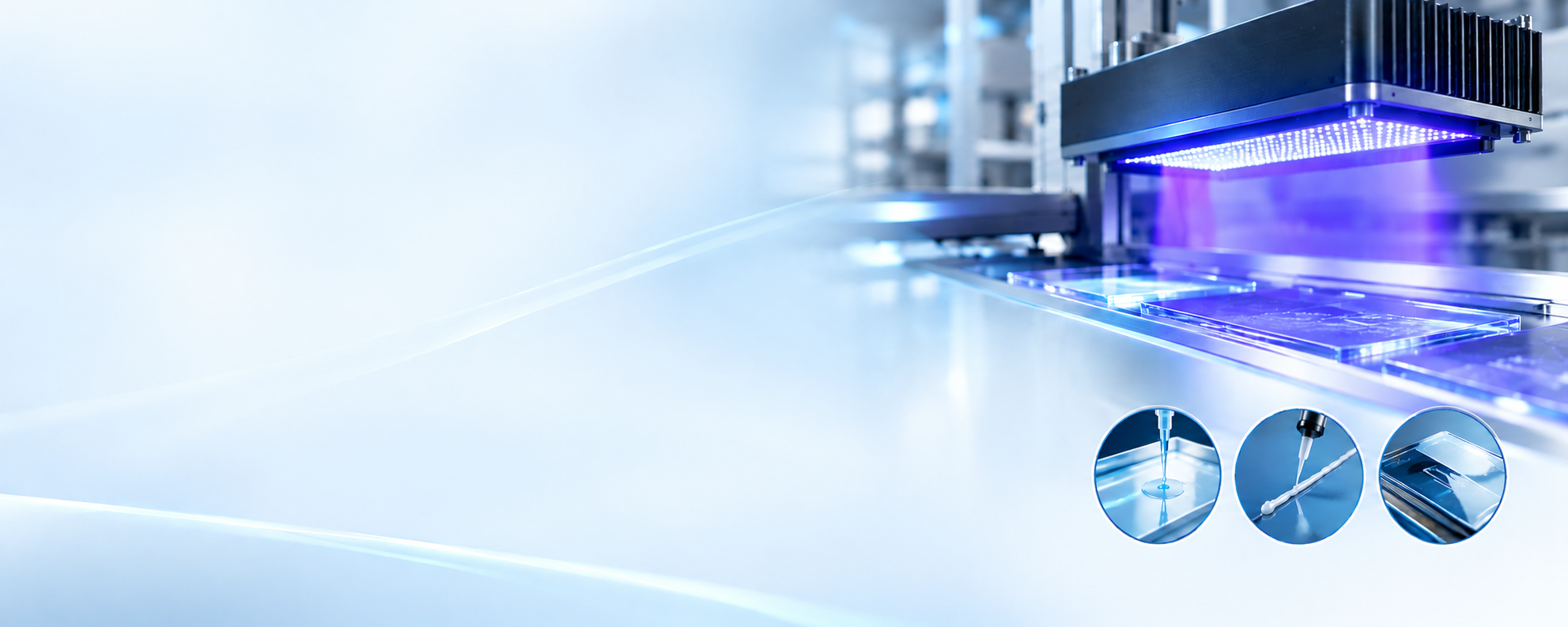
LEDINTRO continues to lead innovation in the field of surface treatment, utilizing a range of UV-C LEDs for sterilization and disinfection in various scenarios.

Innovation
Our innovative technologies are continuously applied to world-leading research on bacterial and pathogen disinfection. Explore the digital disinfection™ benefits of LEDINTRO products.
31500K
UV LEDs
UV LED beads have been provided
682
UV solutions
UV solutions have been provided in total.
192
UV customers
Customers quantity serviced
Strategic Partners





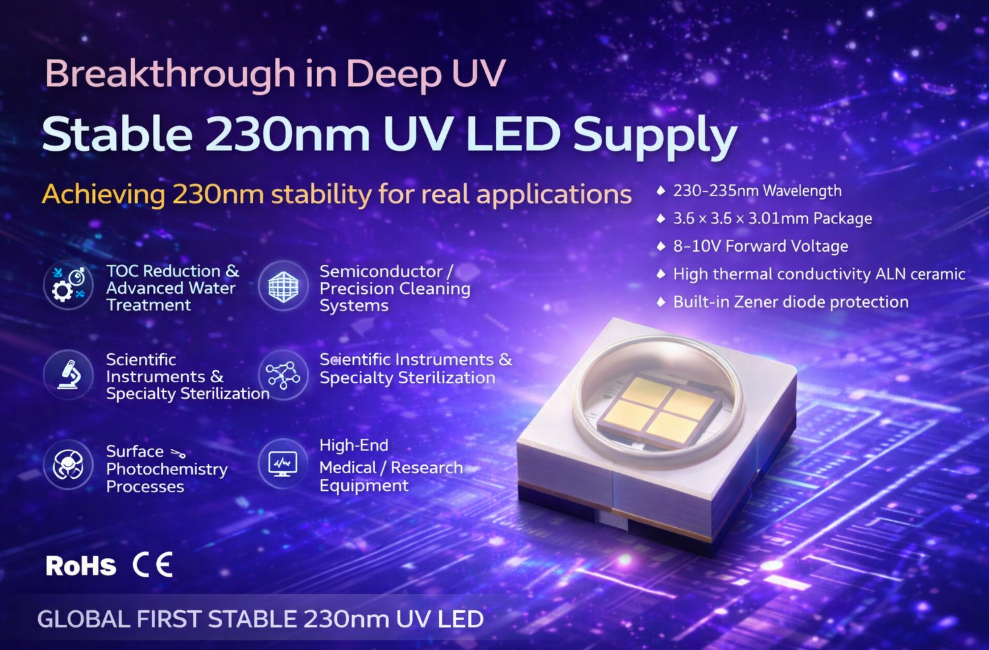
Frequently Asked Questions about 230nm UVC LED
Is 230nm UVC LED safe for human exposure?
Yes. 230nm belongs to the "Far-UVC" spectrum. Unlike traditional 275nm UVC, 230nm light cannot penetrate the dead-cell layer (stratum corneum) of human skin or the tear layer of the eye, making it much safer for use in occupied spaces while still being highly effective against pathogens.
What is the main difference between 230nm LEDs and 222nm Excimer lamps?
While both are safe Far-UVC solutions, 230nm LEDs are more compact, mercury-free, and offer better integration flexibility for electronic devices. Additionally, 230nm LEDs typically have a lower cost of ownership and longer operational lifespans compared to traditional gas-filled excimer lamps.
Can I customize the power and dimensions of the 230nm UVC module?
Absolutely. As a manufacturer, U-vcare specializes in OEM/ODM services. We can customize the optical intensity, beam angle, and PCB dimensions of the 230nm modules to fit your specific disinfection equipment or HVAC system requirements.
What is the typical lifespan of your 230nm UVC LED chips?
Our 230nm UVC LEDs are designed for industrial reliability. Under standard operating conditions, they maintain stable output with a lifespan (L70) of over 10,000 to 20,000 hours, depending on the specific heat dissipation design of the module.
Do you provide technical datasheets and safety test reports?
Yes, we provide full technical support for B2B buyers, including spectroradiometric reports, irradiance distribution maps, and safety certifications. You can request a datasheet directly through our "Contact Us" form.
Blogs
Become Our B2B Partner Today.